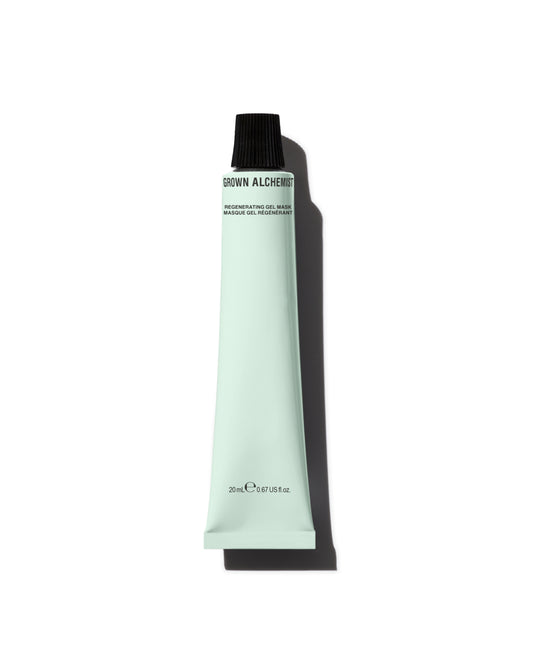
Skin is constantly responding to its environment. Humidity, pollution, UV exposure, stress and sleep can all influence hydration levels, oil production, texture and even the way makeup wears throughout the day. It's one reason face primer has evolved from a purely cosmetic step into an essential part of modern skin preparation.
Today's formulas sit at the intersection of skincare and makeup, helping create a smoother, more balanced canvas while improving moisture retention and enhancing makeup application. Guided by science and powered by advanced botanical ingredients, they do more than refine the appearance of skin.
The most advanced primers are designed with skin itself in mind, helping maintain hydration, comfort and balance throughout the day while creating the ideal conditions for makeup to look its best.
What Is A Primer?
A primer is the step that sits between skincare and makeup. Applied after moisturiser and SPF, it helps create the optimal conditions for makeup application while supporting the look and feel of the skin beneath it. While once associated primarily with helping makeup stay in place, today's formulas combine complexion-perfecting technology with ingredients that maintain hydration, barrier function and skin resilience.
The best formulas help smooth the appearance of texture, soften the look of pores and maintain hydration throughout the day, creating a finish that looks fresh, balanced and distinctly skin-like.
What Does Face Primer Do?
So, what does a primer do? It helps smooth the appearance of texture, soften the look of pores, support hydration, balance excess shine and create a more seamless base for makeup. Here are the primer benefits we love most.
Refines Skin Texture
Healthy skin isn't perfectly smooth. Pores, fine lines and natural variation are all part of its structure. Primer helps soften the appearance of uneven texture, creating a more refined-looking surface while allowing skin's natural character to remain visible.
Keeps Makeup Looking Fresh
From morning commutes to late nights, makeup moves through a lot in a single day. Heat, humidity, environmental stressors and excess oil can all impact your makeup’s staying power. Primer creates a smoother, more balanced base, helping foundation and complexion products stay fresher for longer.
Softens The Look Of Pores
Visible pores are a natural feature of skin, but they can become more pronounced depending on oil production, texture and the overall condition of your skin. A key primer pore benefit is its ability to softly blur the look of pores, helping create a smoother, more refined-looking finish. While primer unfortunately won't change pore size, it can visibly soften their appearance, which is why this remains one of the ultimate poreless primer benefits.
Reduces Excess Shine
Skin needs oil. It's an essential part of a healthy, functioning barrier. The challenge comes when excess surface oil starts to interfere with makeup. Foundation slips, shine takes over and your carefully applied base needs topping up by midday. Mattifying primers help keep excess oil in check while maintaining dimension and natural radiance, leaving skin looking balanced, fresh and never flat.
Boosts Hydration and Barrier Function
Hydrated skin retains moisture more effectively, appears smoother and is less prone to the tightness, flaking and uneven texture that can interfere with makeup application. A well-formulated primer helps reduce moisture loss throughout the day while reinforcing barrier integrity, creating the conditions for a fresher-looking complexion and longer-lasting makeup wear.
Where Skincare Meets Makeup
Today's primers are formulated with ingredients that do more than improve makeup wear. Increasingly, they are designed to help maintain hydration levels, improve skin comfort and defend against the environmental stressors that influence how skin looks and feels throughout the day.
At Grown Alchemist, this philosophy informs every formula. Peptides, Natural Moisturising Factors (NMFs) and antioxidant-rich botanicals help replenish moisture, reinforce barrier integrity and improve the skin's ability to retain hydration.
When skin is functioning comfortably and moisture levels remain balanced, makeup applies more evenly, wears more consistently and maintains a fresher-looking finish throughout the day. It's an evolution of priming that places skin itself at the centre of the formula.
How To Choose The Best Primer For Your Skin
Whether you're searching for the best primer for dry skin, the best primer for mature skin or the best makeup primer for mature skin, the most important consideration is what your skin needs in that moment.
For Dry Or Dehydrated Skin
Look for formulas containing humectants and moisture-binding ingredients that draw water into the upper layers of the skin while helping minimise moisture loss. This can reduce feelings of tightness and create a smoother surface for makeup application.
For Mature Skin
Skin naturally experiences changes in hydration, elasticity and renewal over time. The best primer for mature skin often combines hydration with texture-refining benefits, helping soften the appearance of fine lines while supporting skin vitality and radiance.
For Oily Or Combination Skin
Lightweight formulas that help balance excess oil and minimise the appearance of pores can help maintain a fresher-looking complexion throughout the day.
How To Apply Makeup Primer
A good primer doesn't sit separately from your skincare routine. It completes it. If you're wondering how do I apply makeup primer, start by thinking about skin prep first.
Step 1: Begin With Skin Preparation
Cleanse, hydrate and protect the skin first. Serum, moisturiser and SPF help replenish moisture, strengthen barrier integrity and create the ideal canvas for primer application.
Step 2: Apply Your Primer
A pea-sized amount is usually enough. Smooth a thin layer across the skin, focusing on areas where pores, texture or excess shine are most visible. When it comes to how many coats of primer, one thin, even layer is typically enough.
Let The Formula Settle
If you’re wondering how long does primer take to dry, it’s usually around one to three minutes. Giving the formula time to sink in means you’ll get an even more seamless base for makeup application.
Build From There
Once absorbed, follow with your foundation, skin tint or concealer. Things should look smooth, balanced and naturally refined, never overworked.
The Most Common Makeup Primer Mistakes
A good primer can elevate your entire makeup routine, but a few small missteps can prevent it from performing at its best. Here are some of the most common as well as a quick top tip to help,
Applying Too Much
More product doesn't necessarily mean better results. Applying too much primer can create excess build-up, making foundation more likely to pill, separate or move throughout the day.
Try instead: Apply a thin, even layer and leave for a few minutes. You can always add more if needed.
Skipping Moisturiser
Primer works best on hydrated skin. When skin is dehydrated, makeup can cling to dry patches, emphasise texture and wear unevenly.
Try instead: Always complete your skincare ritual first, including serum, moisturiser and SPF, before applying primer.
Rushing The Process
Applying foundation immediately after primer doesn't give the formula enough time to settle.
Try instead: Allowing primer one to three minutes to absorb before moving on helps create a smoother, more seamless finish.
Choosing the Wrong Formula
Not all primers deliver the same benefits. A formula that works for oily skin may not meet the needs of dehydrated or barrier-compromised skin.
Try instead: Look for a primer that supports your skin's needs, whether that's hydration, shine control or barrier support.
Face Primer vs Eye Primer: What's The Difference?
Although they perform similar functions, face primer and eye primer are formulated for different areas of the face.
Face primer is for the complexion, helping to smooth the appearance of texture, blur visible pores, balance shine and create a more seamless base for foundation and other makeup products. Eye primer is better suited specifically to the eyelids, where constant movement, blinking and natural oil production can cause makeup to crease, fade or lose intensity throughout the day. A dedicated eye shadow primer helps create a smoother surface for application while enhancing colour payoff and extending wear.
Meet Our Skin Defense Mattifying Primer
The most effective primers do more than influence how makeup looks. They help create the conditions for skin to remain balanced throughout the day.
That's the thinking behind our Skin Defense Mattifying Primer. Suitable for all skin types and textures, it helps blur the appearance of pores, smooth visible texture and keep excess shine in check while maintaining hydration and reinforcing barrier function.
Powered by Prebiotic Peptides, Ashwagandha and antioxidant-rich Reishi Mushroom, it helps strengthen skin resilience against the daily environmental stressors that can affect how skin looks and feels.
The result is skin that appears smoother, more balanced and naturally refined. Makeup sits better, wears beautifully and still looks like skin, exactly as it should.
Your Most Asked Primer Questions, Answered
Should primer be applied before or after SPF?
Primer should be applied after skincare, including SPF. Allow sunscreen to absorb fully before applying primer to help create a smooth, even base.
Is primer skincare or makeup?
Modern primers sit between skincare and makeup. While they create a smoother base for foundation and other complexion products, many formulas also contain ingredients that help maintain hydration, reinforce barrier integrity and improve skin comfort throughout the day.
Can primer replace moisturiser?
Primer and moisturiser serve different purposes. Moisturiser helps replenish hydration and reinforce the skin barrier, while primer prepares the skin for makeup application. For best results, use both as part of your routine.
Can I use face primer without foundation?
Yes. Many people wear primer alone to help blur the appearance of pores, balance shine and create a smoother-looking complexion.
Does primer clog pores?
Not necessarily. Well-formulated primers are designed to sit comfortably on the skin while helping soften the appearance of pores. Choosing a formula suited to your skin type can help maintain balance and comfort throughout the day.
Is primer good for dehydrated skin?
Yes. Hydrating primers can help minimise moisture loss and create a smoother-looking surface, making makeup easier to apply and helping it wear more evenly.